
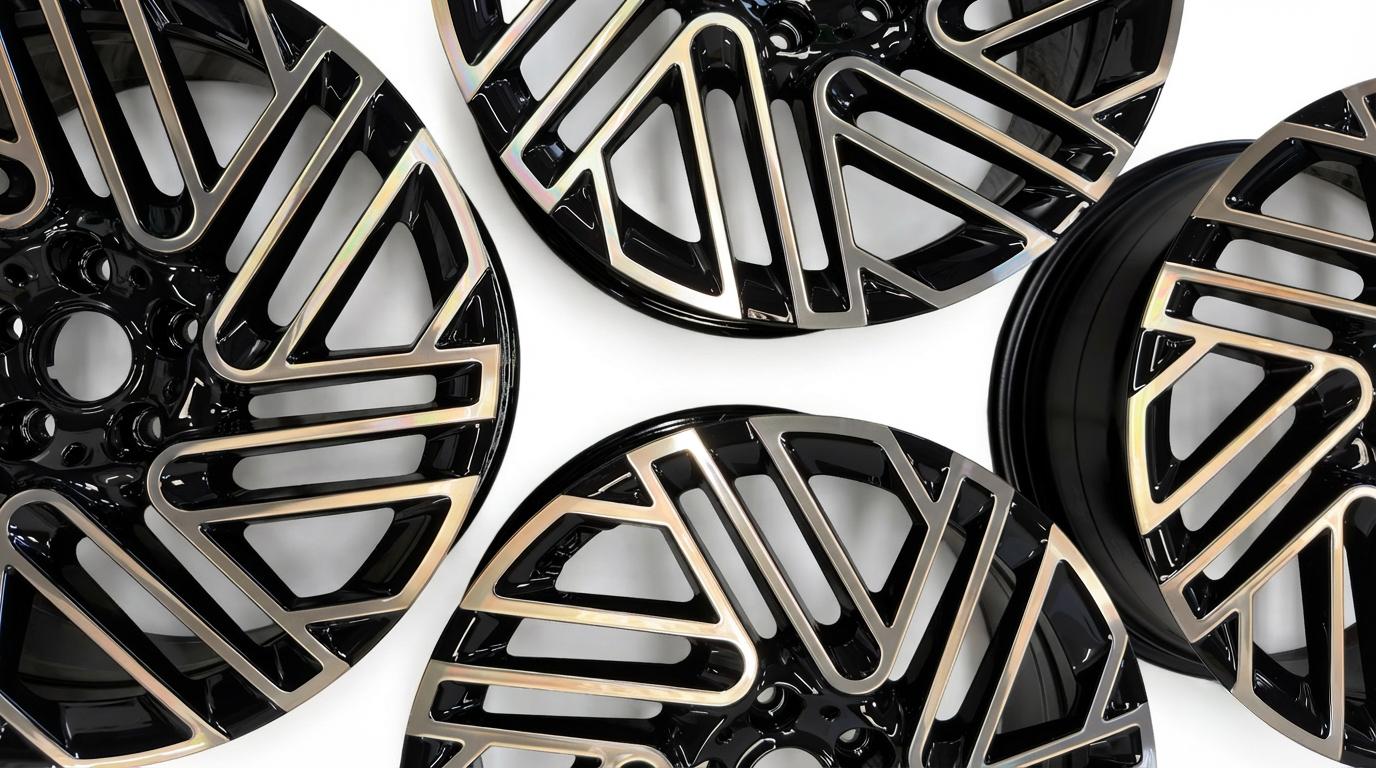
Kerb Rash Repairs
in Exeter
& Devon
Kerb scuffs repaired to an invisible finish — fast, affordable, and built to last. Stop minor damage becoming major corrosion before it costs you more.
Same-day service available. Thousands of kerb rash repairs completed. Trusted across Exeter and Devon.
What Is Kerb Rash?
Kerb rash refers to the scuffs, scratches, and gouges that appear on alloy wheel rims when they make contact with a kerb. It is the single most common form of alloy wheel damage in the UK — caused by parallel parking, tight manoeuvres, and misjudging gaps in urban environments.
While kerb rash is often dismissed as a minor cosmetic issue, it exposes bare aluminium beneath the protective lacquer and paint layers. Once exposed, the alloy is vulnerable to corrosion from moisture, road salt, and brake dust. A small scuff left untreated can develop into visible corrosion within weeks — particularly during winter months.
At South West Alloys, we repair kerb rash by filling, sanding, priming, colour-matching, and lacquering the damaged area. The result is a seamless, invisible repair that restores the wheel's appearance and — critically — its protective coating. Early repair prevents corrosion and keeps repair costs low.
We handle everything from light scuffs that can be repaired in under an hour to deep gouges that require filler and full refinishing. Whether it is one wheel or four, our process is the same: precise, thorough, and colour-matched to factory specification.
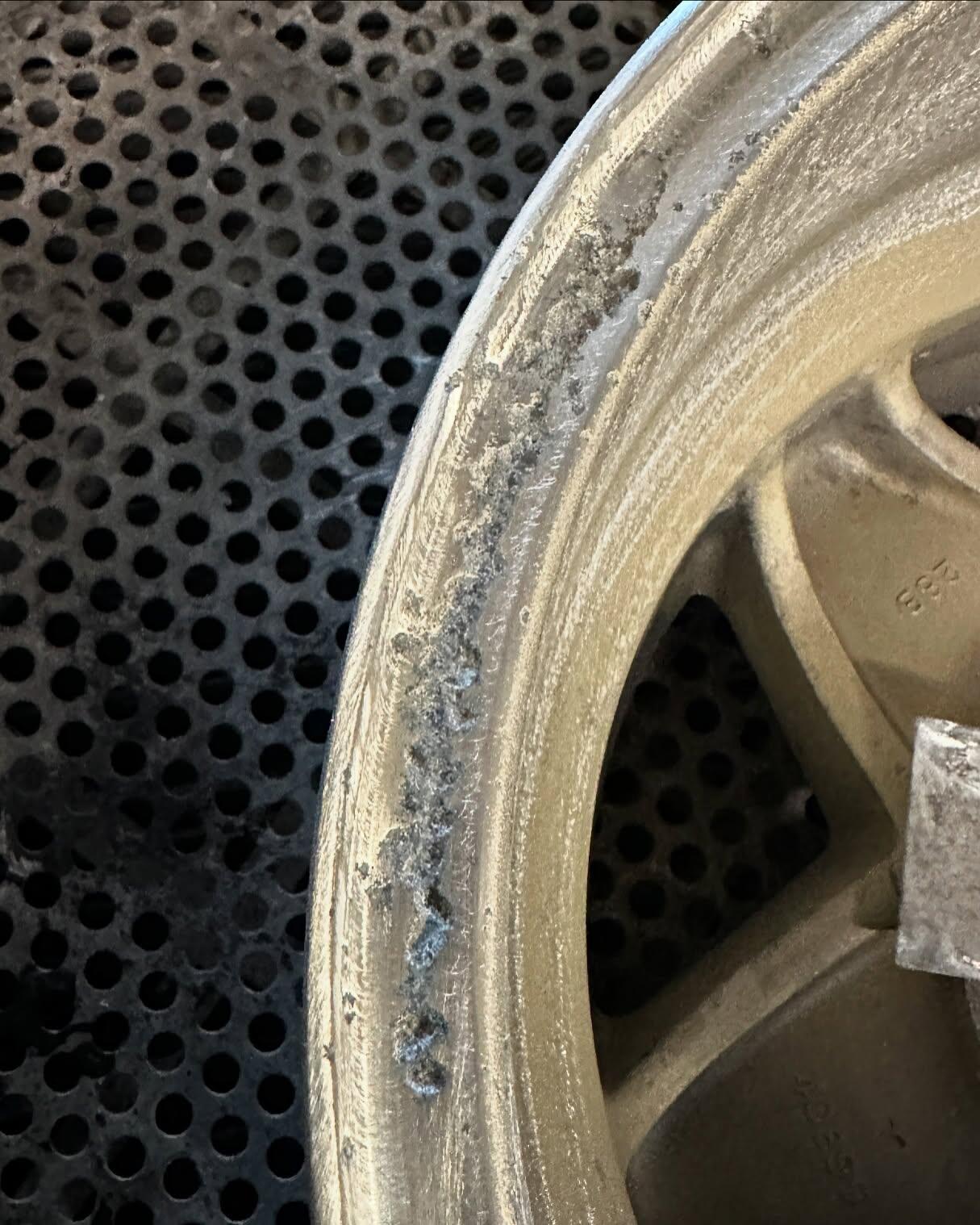
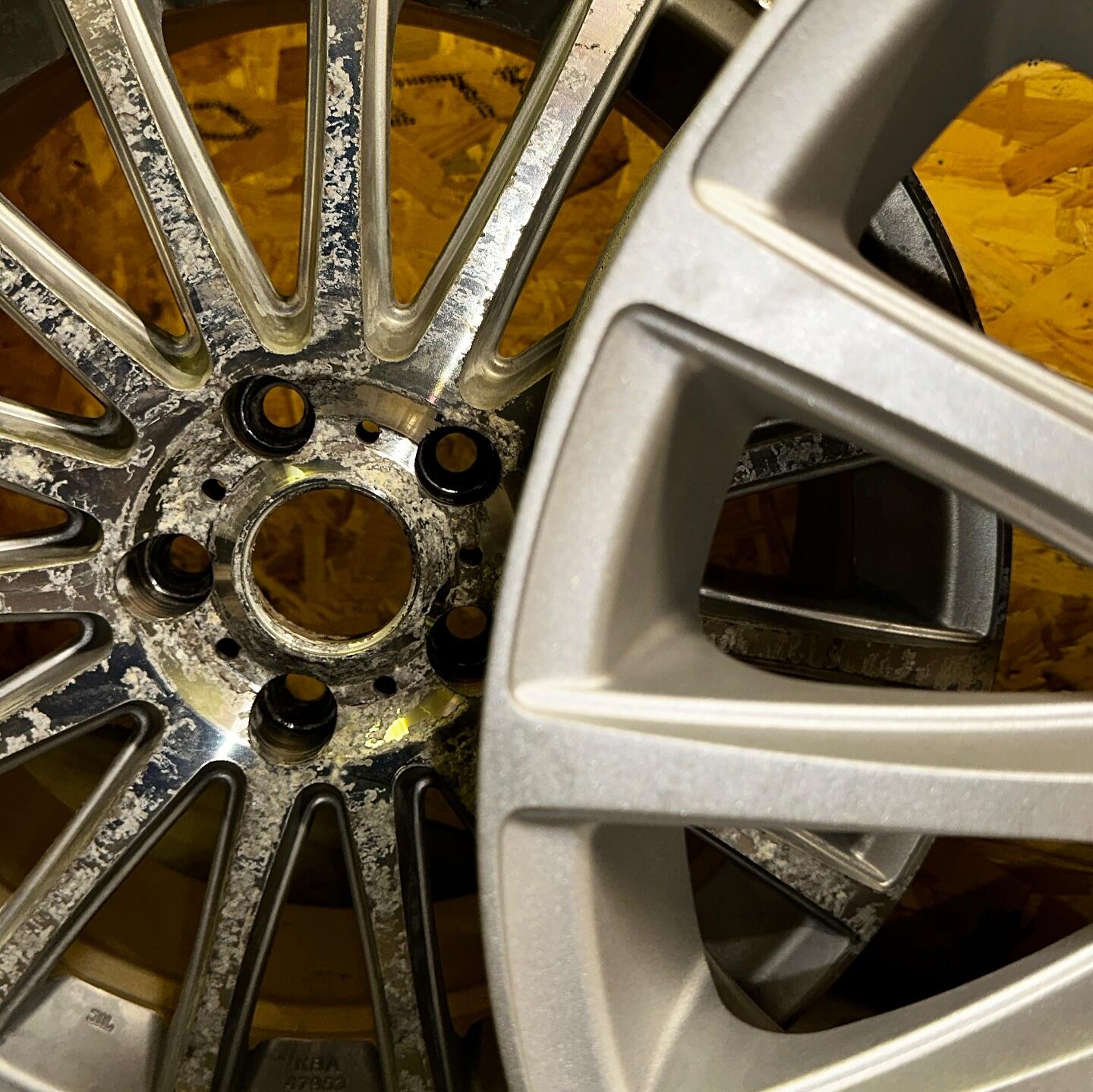
Kerb Damage — Before & After Repair
These wheels show typical kerb rash damage including lacquer breach and early-stage corrosion. Our repair process restores the protective coating and returns the wheel to an invisible, factory-standard finish — preventing further corrosion spread.
Why You Should Not Ignore Kerb Rash
The protective lacquer on your alloy wheel is typically only 30–50 microns thick. A single kerb strike can slice through this layer entirely, exposing the raw aluminium underneath. Within days — especially in wet or cold conditions — oxidation begins. White, powdery corrosion appears at the damage site and spreads underneath the surrounding lacquer.
Many drivers think kerb rash is just a cosmetic problem that can wait. The reality is that corrosion spreads quickly once it starts. What begins as a £50 repair in January becomes a £150+ full-face respray by March. Waiting costs more — every time.
Kerb rash also affects vehicle value disproportionately. Buyers and dealers inspect wheels immediately. Multiple kerbed alloys signal careless driving and deferred maintenance. When selling, scuffed wheels can reduce perceived value by £200–600 on a typical vehicle. When returning a lease, excess damage charges of £100–300 per wheel are standard.
The most expensive mistake is ignoring kerb rash on diamond-cut wheels. Because the lacquer on machined surfaces is thinner, corrosion develops faster and the repair method is more complex (CNC re-machining). Catching kerb damage early on diamond-cut wheels can save hundreds.
Our Kerb Rash Repair Process
Damage Assessment
We inspect the scuff depth, width, and location. Most kerb rash is on the outer rim edge. We check for any deeper structural damage beneath the surface scuff.
Sanding & Preparation
The damaged area is sanded to remove loose material, paint fragments, and any early-stage corrosion. The surrounding area is feathered for a seamless blend.
Filling & Shaping
Deeper gouges are filled with specialist alloy filler and shaped to match the original rim profile. Light scuffs may not require filling.
Priming
High-adhesion primer is applied to the prepared area to provide a stable base for colour coating and corrosion protection.
Colour Match & Paint
Colour-matched paint is applied to blend seamlessly with the existing wheel finish. We match to manufacturer codes or mix custom colours.
Lacquer & Cure
Clear lacquer is applied for UV and chemical protection. The repair is cured under heat for maximum durability.
Benefits of Professional Kerb Rash Repair
Invisible Results
Our colour-matching and blending technique produces repairs that are undetectable once complete.
Prevents Corrosion Spread
Sealing the damaged area stops moisture and salt from attacking the exposed alloy underneath.
Same-Day Service
Many kerb rash repairs are completed within a few hours. Same-day turnaround keeps you on the road.
Affordable Starting Prices
Light kerb rash repairs start from £50 per wheel. Significantly less than the cost of ignoring the damage.
Protects Vehicle Value
Clean, undamaged wheels maintain resale value and avoid lease-return excess charges.
Quick & Convenient
Drop off a single wheel or bring the vehicle. Most repairs require no overnight stays.
Repair Depth, Materials & Finish Matching
Kerb rash varies significantly in severity. Light scuffs that only damage the lacquer and top coat can be repaired with minimal material removal and a localised respray. Deeper scuffs that gouge into the alloy itself require filling, shaping, and a more extensive refinishing process.
We use specialist alloy wheel filler — not standard body filler — for deeper repairs. Alloy filler is formulated for the thermal expansion characteristics of aluminium wheels, which expand and contract with temperature changes during driving. Standard body filler can crack and separate on wheels due to these thermal cycles.
Colour matching is carried out using the manufacturer's paint code. On older vehicles or aftermarket wheels where codes are unavailable, we use spectrophotometer analysis to match the existing colour precisely. Metallic and pearlescent finishes require particular attention to flake density and orientation during application.
For wheels with multiple kerb rash sites around the rim, a full rim-edge refinish is more cost-effective than multiple localised repairs. This involves masking the wheel face and refinishing the entire rim circumference for a perfectly consistent result.
On diamond-cut wheels, kerb rash on the machined face cannot be repaired with paint alone — the machined finish must be restored on a CNC lathe. However, kerb rash on the painted sections of a diamond-cut wheel (inner spokes, rim edge) can be repaired using our standard painted repair process.
After repair, we recommend applying a ceramic wheel sealant to the rim edge area. This creates a sacrificial barrier that absorbs minor future contact before the paint is damaged. We can advise on suitable products during your visit.
Frequently Asked Questions
Related Services
Areas We Serve

Ready to Get Started?
Contact us today for a free, no-obligation estimate. Most jobs completed within 24–48 hours.
12+ years experience · Trade & public welcome · German products
We use essential cookies to run this site, and optional cookies for chat and analytics. Cookie policy